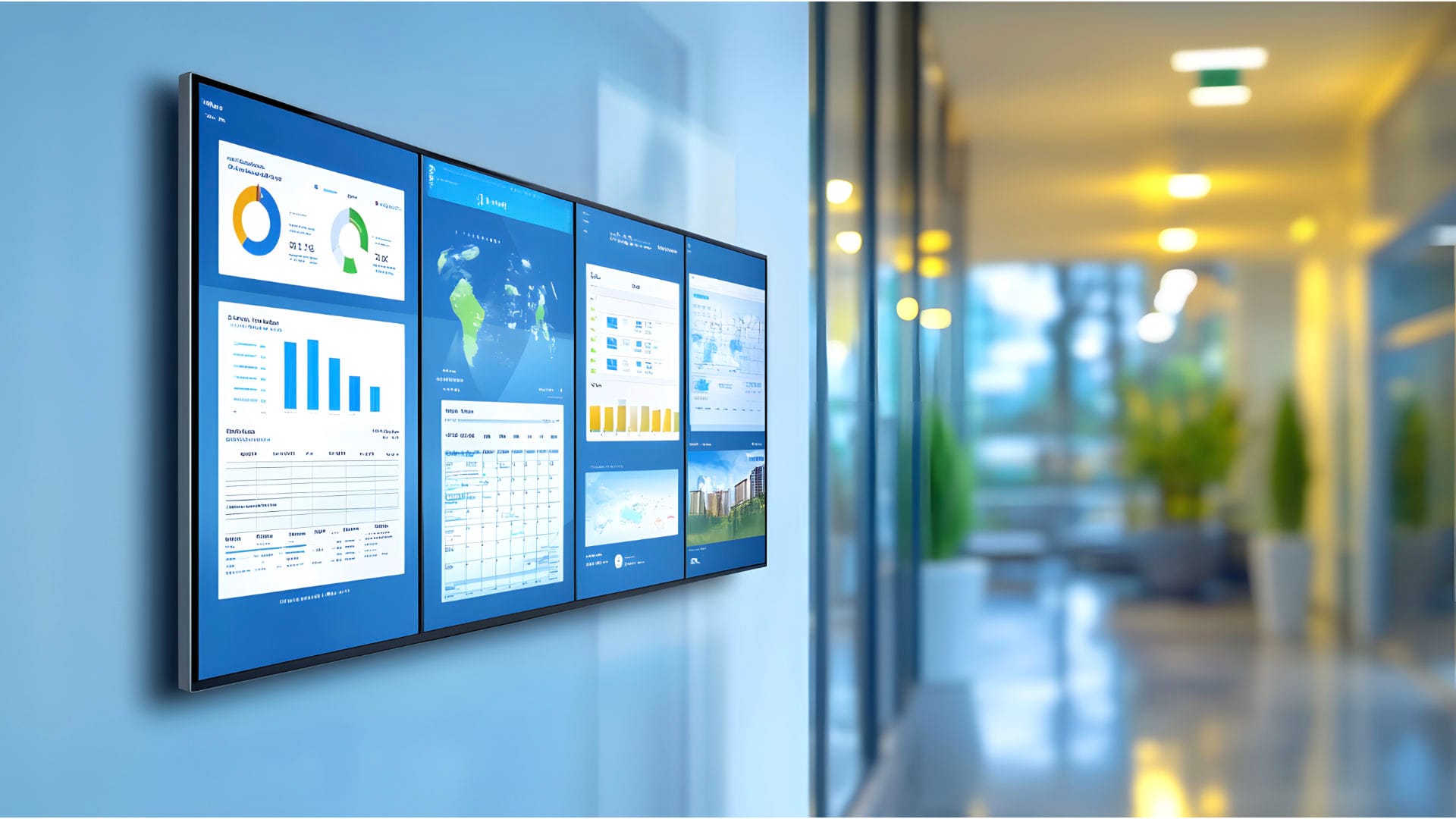
Why is industry specialization so valuable in digital signage sales?
Digital signage is versatile and can be used in almost any industry. However, the requirements, objectives, and framework conditions vary greatly. If you are familiar with the specific characteristics of individual industries and address them in a targeted manner, you will position yourself as a competent partner, stand out from the competition, and significantly increase your chances of closing deals.
The importance of industry specialization
Every industry has its own challenges, communication channels, target groups, and legal framework. What works in retail may have completely different requirements in manufacturing or healthcare. Successful resellers and integrators understand these differences and offer solutions that are tailored precisely to the respective needs. This builds trust, facilitates sales pitches, and leads to more sustainable customer relationships.
Industry specialization does not mean limiting yourself to a single industry. Rather, it is about knowing the right language, the right use cases, and the optimal functions for each target group—and actively incorporating these into consulting, offerings, and implementation.
Best Practices: Digital Signage Solutions by Industry
Retail
Applications:
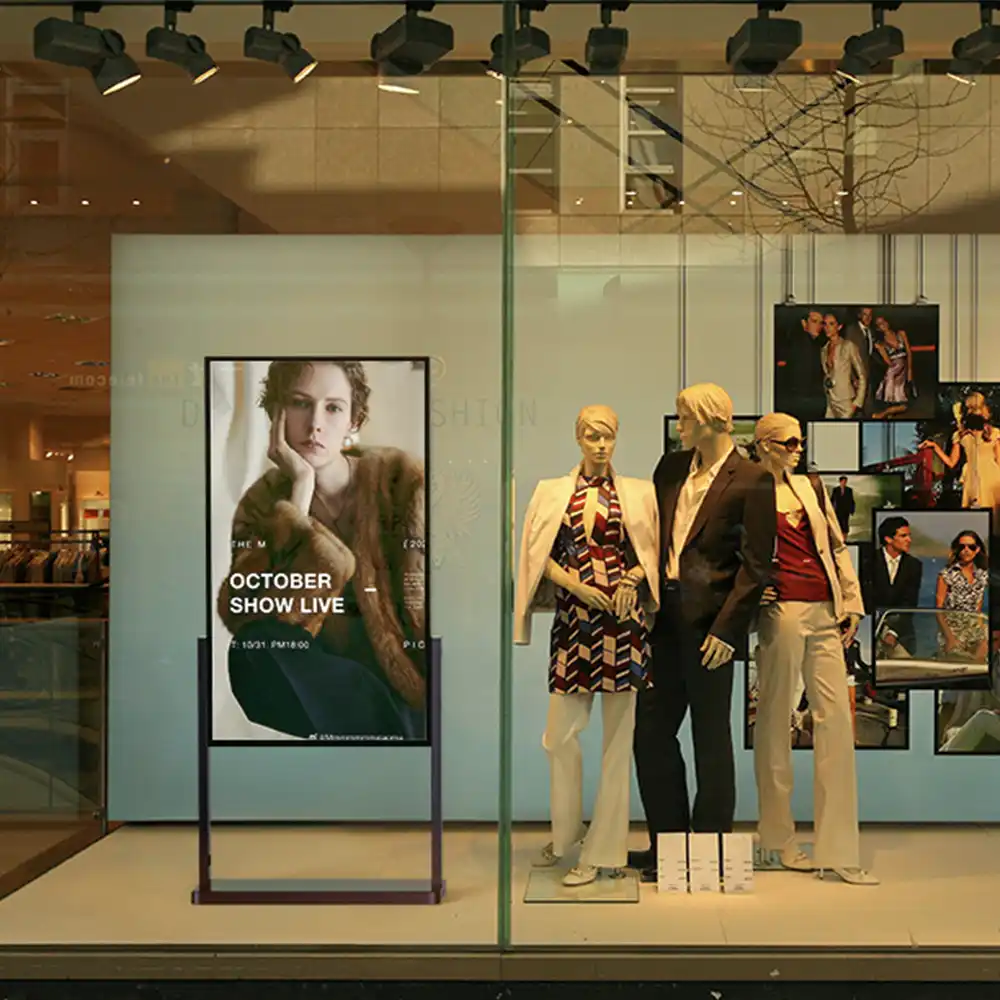
Shop window displays, product presentations, promotional displays, digital customer stoppers, interactive kiosks, in-store TV, digital price tags.
Advantages:
Increased customer frequency, targeted promotion, flexible price and offer communication, cross-selling and upselling, increased dwell time.
Tip:
Use time-sensitive content and integrate POS systems for maximum relevance. Offer solutions for omnichannel experiences, such as linking online and offline offerings.
Practical example:
A fashion chain displays business outfits in the morning, casual wear in the afternoon, and party looks in the evening—tailored to the target group and purchasing behavior at different times of the day.
Catering & Hospitality
Applications:
Digital menu boards, wayfinding systems, guest information, event displays, self-order kiosks, digital reservation systems.
Advantages:
Faster updating of offers, cross-selling, improved guest experience, reduced waiting times, increased sales through additional sales.
Tip:
Combine digital signage with self-order terminals or feedback systems. Display allergens, daily specials, and events in real time.
Practical example:
A restaurant uses a digital menu board that displays breakfast, lunch, or dinner menus depending on the time of day. Guests can order and pay directly at the kiosk.
healthcare
Applications:
Patient call systems, waiting room TV, wayfinding, hygiene instructions, information terminals, digital door signs.
Advantages:
Shorter waiting times, better orientation, efficient communication of sensitive information, reduced workload for staff, promotion of patient loyalty.
Tip:
Focus on easily understandable, accessible content. Offer multilingual information and take data protection requirements into account.
Practical example:
A clinic informs patients in the waiting room about current health campaigns, calls patients up via display, and provides directions to the treatment rooms.
educational institutions
Applications:
Digital bulletin boards, room occupancy displays, timetables, event notices, emergency information, digital door signs.
Advantages:
Centralized control, fast updates, better information for pupils, students, and teachers, reduction in paper and effort.
Tip:
Use interfaces to existing management systems. Automate timetable and room changes.
Practical example:
A university displays current lecture schedules, room changes, and event announcements on large displays in the hallways. Lecturers can enter information at short notice.
Industry & Production
Applications:
Dashboards for production data, safety information, shift schedules, internal communication, quality indicators, machine status.
Advantages:
Real-time data, increased safety, transparency, and employee motivation, increased productivity, reduction of errors.
Tip:
Integrate digital signage into existing MES or ERP systems. Ensure that content remains up to date even during shift changes or machine downtime.
Practical example:
A manufacturing company displays current KPIs, safety information, and shift schedules on production displays. Warning messages are automatically displayed in the event of malfunctions.
Public Sector & Transportation
Applications:
Passenger information, digital city information systems, citizen terminals, emergency notices, digital signposts, event displays.
Advantages:
Better citizen information, up-to-date notices, barrier-free communication, increased security, reduction in paper and personnel costs.
Tip:
Look for robust, vandal-proof hardware and ease of use. Consider accessibility and multilingualism.
Practical example:
A city installs digital information boards in central locations to inform citizens about events, traffic information, and emergencies—in multiple languages and with easy navigation.
Success factors and tips for industry-specific projects
- Target group analysis:
Who uses the system? What information is relevant? The better you know your target group, the more effectively you can tailor content and functions to their needs. - Integration:
Link digital signage with existing IT systems (e.g., cash registers, booking, production data). Interfaces increase the degree of automation and the benefits for the customer. - Flexibility:
Plan for changing requirements and seasonal content. Systems should be easily expandable and adaptable. - Accessibility:
Ensure clear language, large font, and high-contrast design. Take legal requirements and best practices into account. - Reference projects:
Use best practices and customer references to win over new customers. Show how other companies in the same industry are benefiting.
Trends: Industry-specific innovations in digital signage
- Personalization:
Content is played individually depending on the time of day, target group, or location—for example, for different customer segments in retail or different visitor groups in museums.
: Customers book appointments, purchase tickets, or provide feedback directly on the display—particularly popular in the hospitality, transportation, and public sectors.
Production data, sales figures, and visitor frequencies are visualized in real time, helping you make quick decisions.- Smart integration:
Digital signage is linked to IoT, sensor technology, and mobile applications—for even greater relevance and efficiency. - Sustainability:
Digital solutions reduce paper consumption and enable targeted, resource-saving communication.
Tips for resellers: How to benefit from industry specialization
- Continue your education in a targeted manner:
Learn about the processes, challenges, and trends in the most important industries. - Create industry solutions and packages:
Offer preconfigured bundles, templates, and interfaces for typical applications. - Work with industry software providers:
Collaborate with experts to integrate your solutions even better. - Utilize your network:
Recommendations and references from the industry often open doors to new projects. - Stay up to date:
Industries are constantly evolving—stay up to date with trade shows, trade media, and customer feedback.
FAQ – Frequently asked questions about digital signage in various industries
Which industry benefits most from digital signage?
All industries benefit, but retail, hospitality, education, and manufacturing in particular show high acceptance and ROI. The key is that the solution fits the industry and its processes.
How can I find the right solution for my industry?
Analyze your customers' goals and processes and rely on proven best practices. Take advantage of reference projects and advice from specialists.
Can I automate industry-specific content?
Yes, through interfaces to industry-specific software solutions or data sources. Automated content saves time, reduces errors, and increases relevance.
How important is accessibility in digital signage?
Very important—especially in public spaces, healthcare, and education. Accessible solutions are not only required by law, but also increase user acceptance.
How can I tap into new business areas with digital signage?
Through industry-specific consulting, service contracts, content services, and integration with existing systems. Show your customers concrete added value for their industry.
Conclusion: Industry specialization as a factor for success
Those who understand the specific characteristics and needs of individual industries can offer digital signage solutions that are truly compelling. Industry specialization means advising customers on an equal footing, optimizing processes, and achieving sustainable success. As a specialized reseller, you position yourself as a problem solver, innovation partner, and long-term companion—thus creating the basis for sustainable growth and strong customer loyalty.